OVERVIEW:
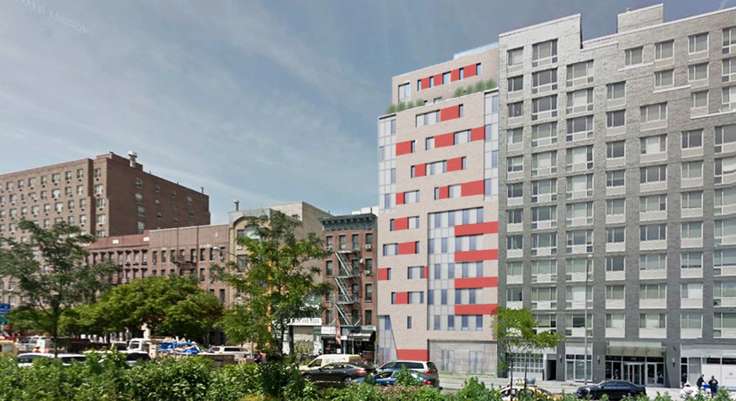
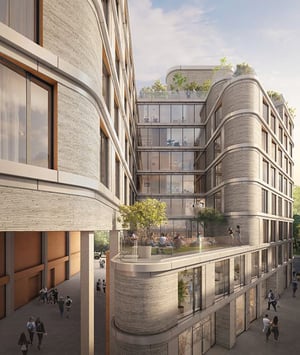
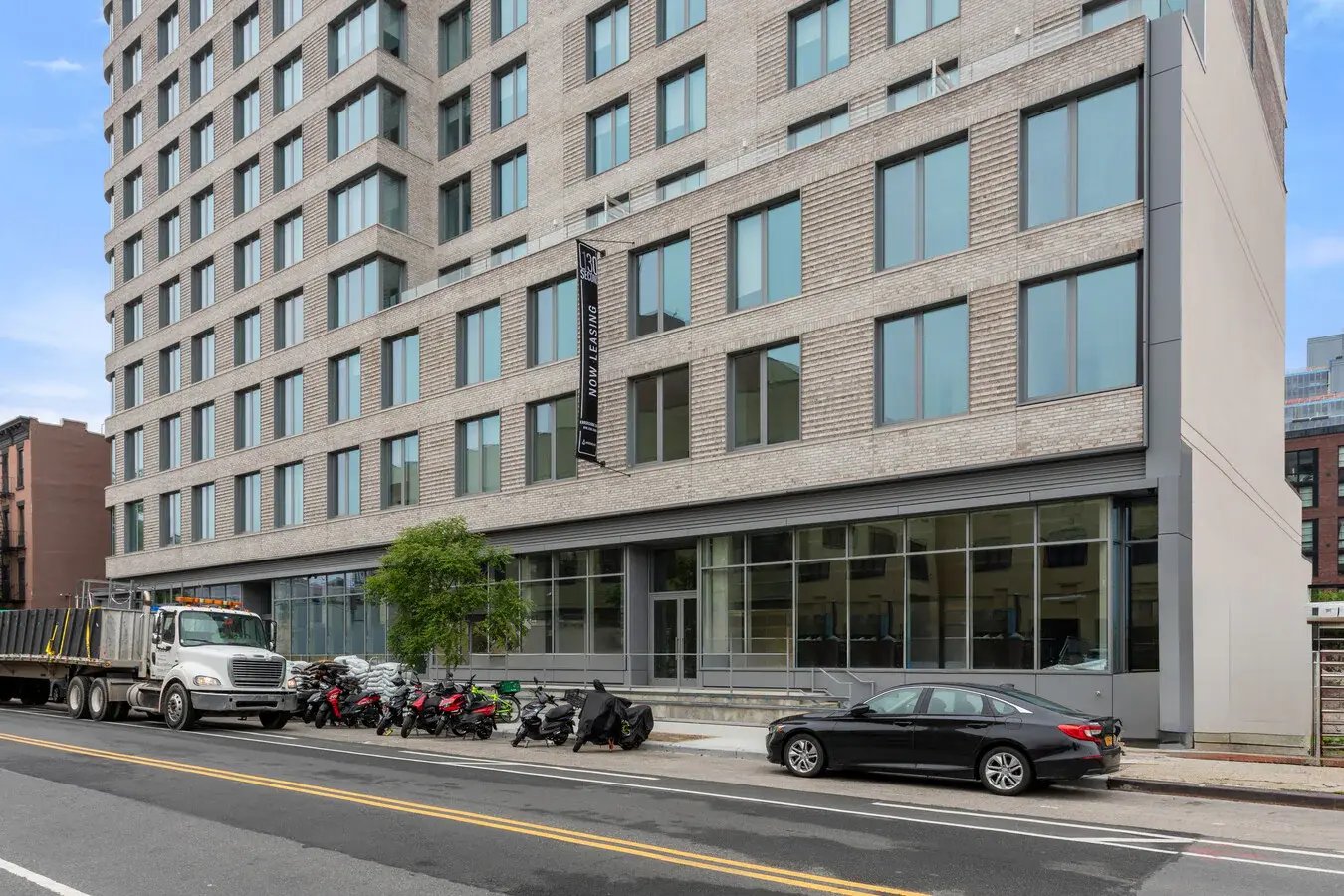
The Lorimer House is a residential development in Williamsburg, Brooklyn, that consists of two 8-story buildings. Developed by Joyland Management, Meral Property Group, and Loketch Group, the 85-foot-tall, 318,400-square-foot building offers 270 rental units, ranging from studios to two bedroom units. It also features 66 Copper Lofts, ground-floor retail, and more than 40,000 square feet of indoor and outdoor amenities.
PROJECT TEAM:
Structural Engineer: Structural Engineering Technologies
Geotechnical Engineer: RA Engineering
Installation Contractor: East Coast Bulkheading

CHALLENGES:
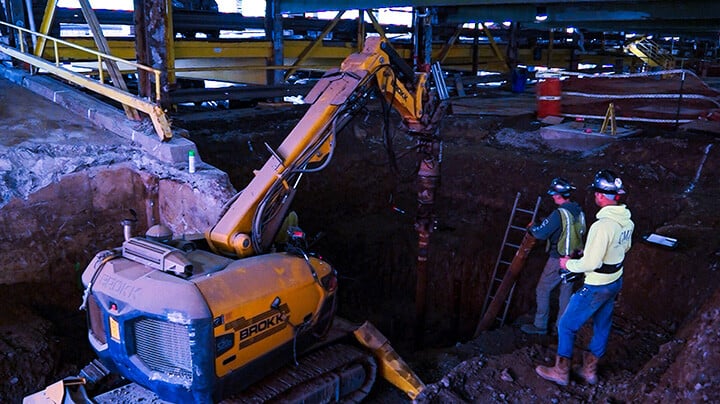
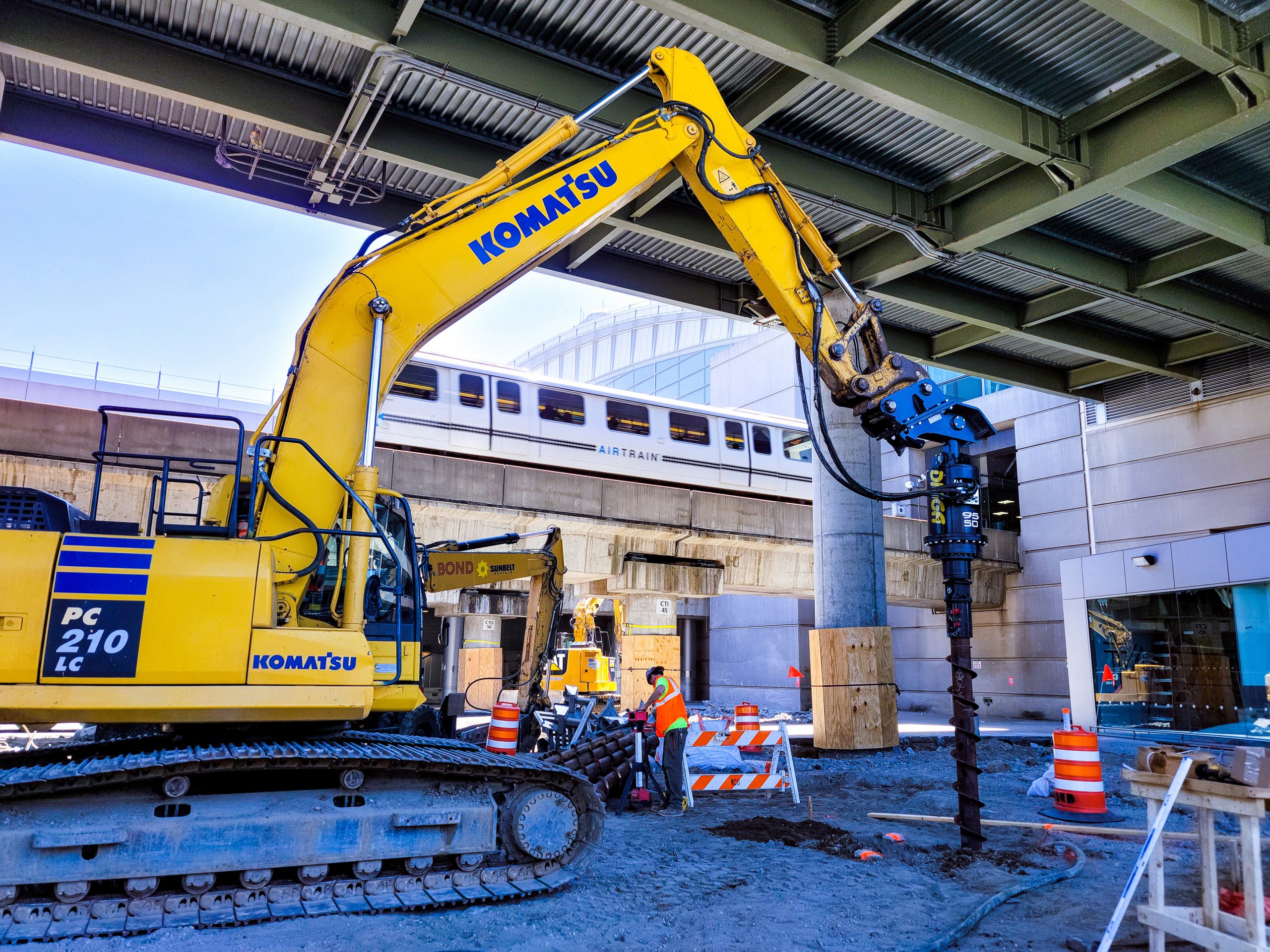
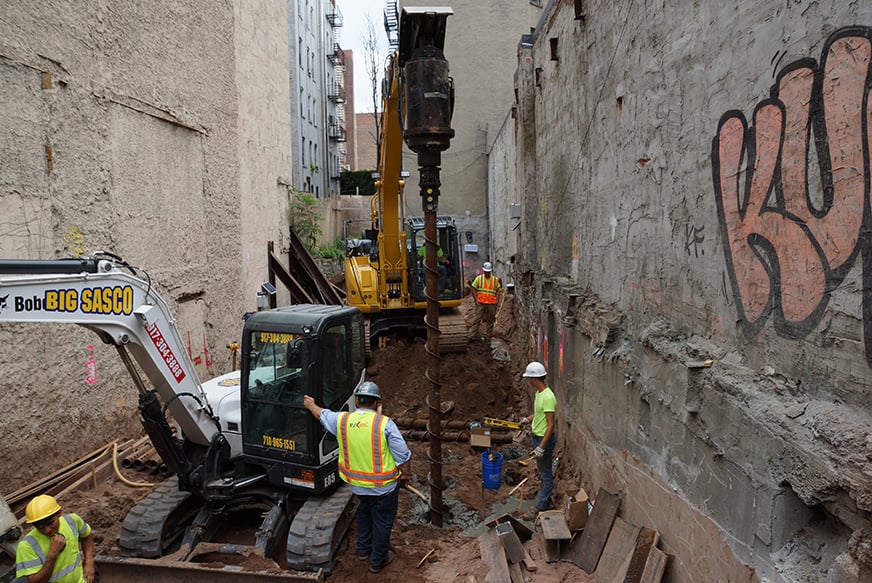
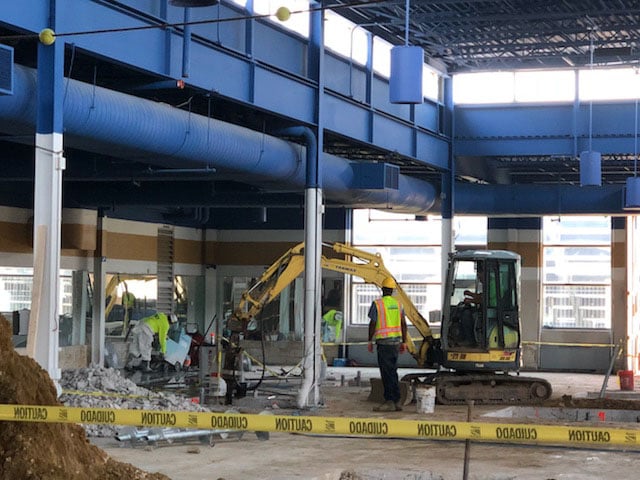
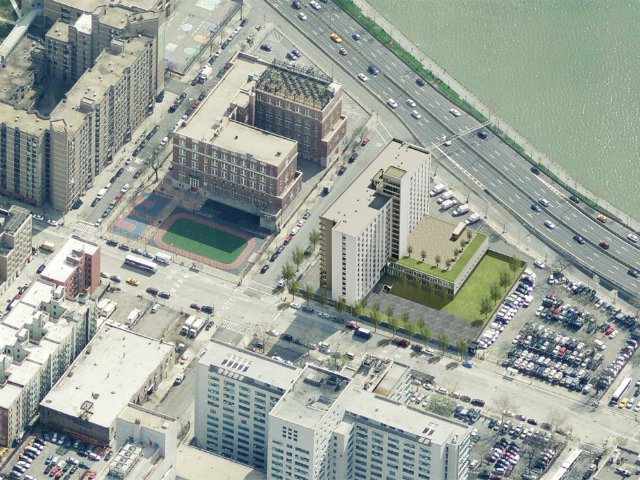
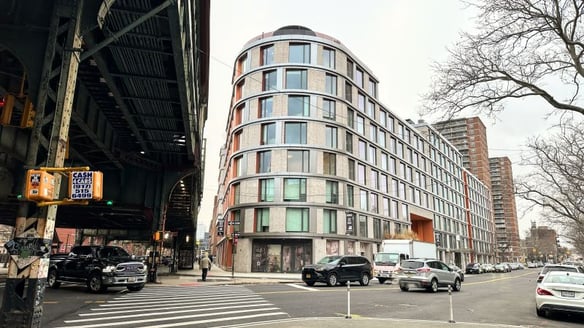
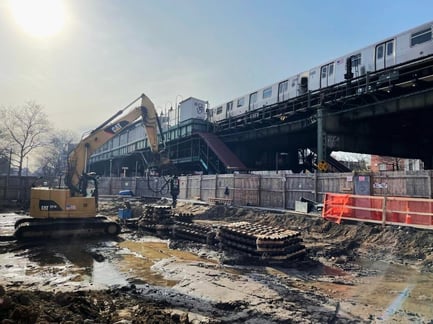
The project site was adjacent to 8 and 3 story residential buildings, ruling out any foundation system that introduced vibrations. The lot also bordered an elevated MTA structure, further restricting construction methods. On top of that, site space was limited as the phased construction of the buildings meant multiple active construction fronts running simultaneously across the site.
SOLUTION:
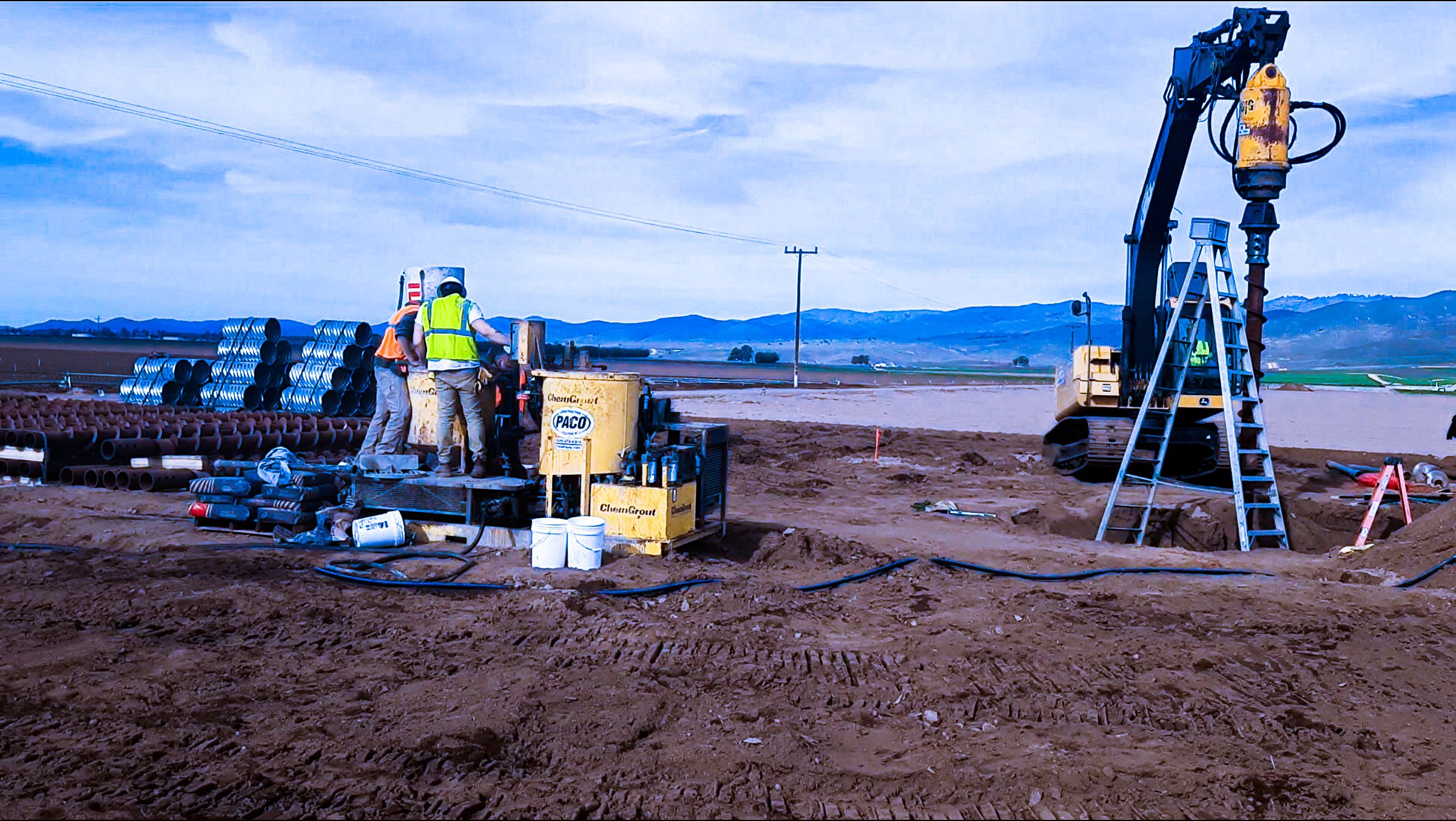
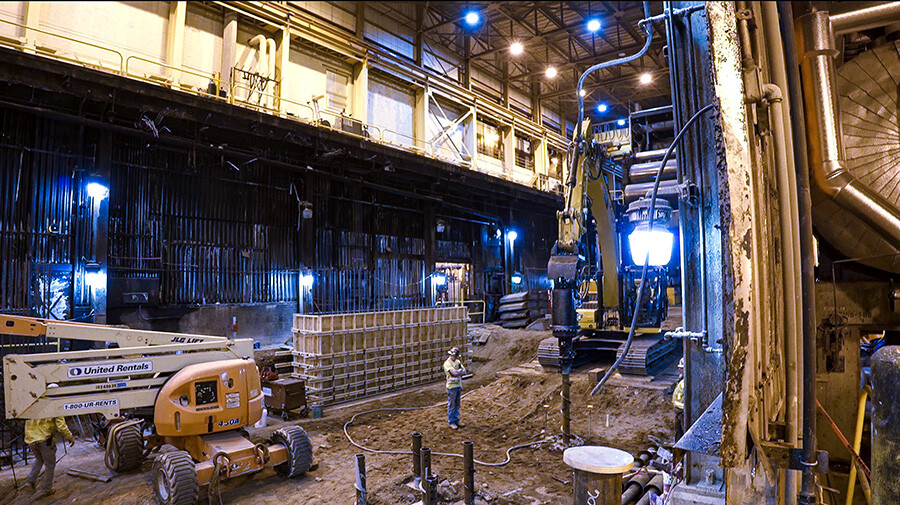
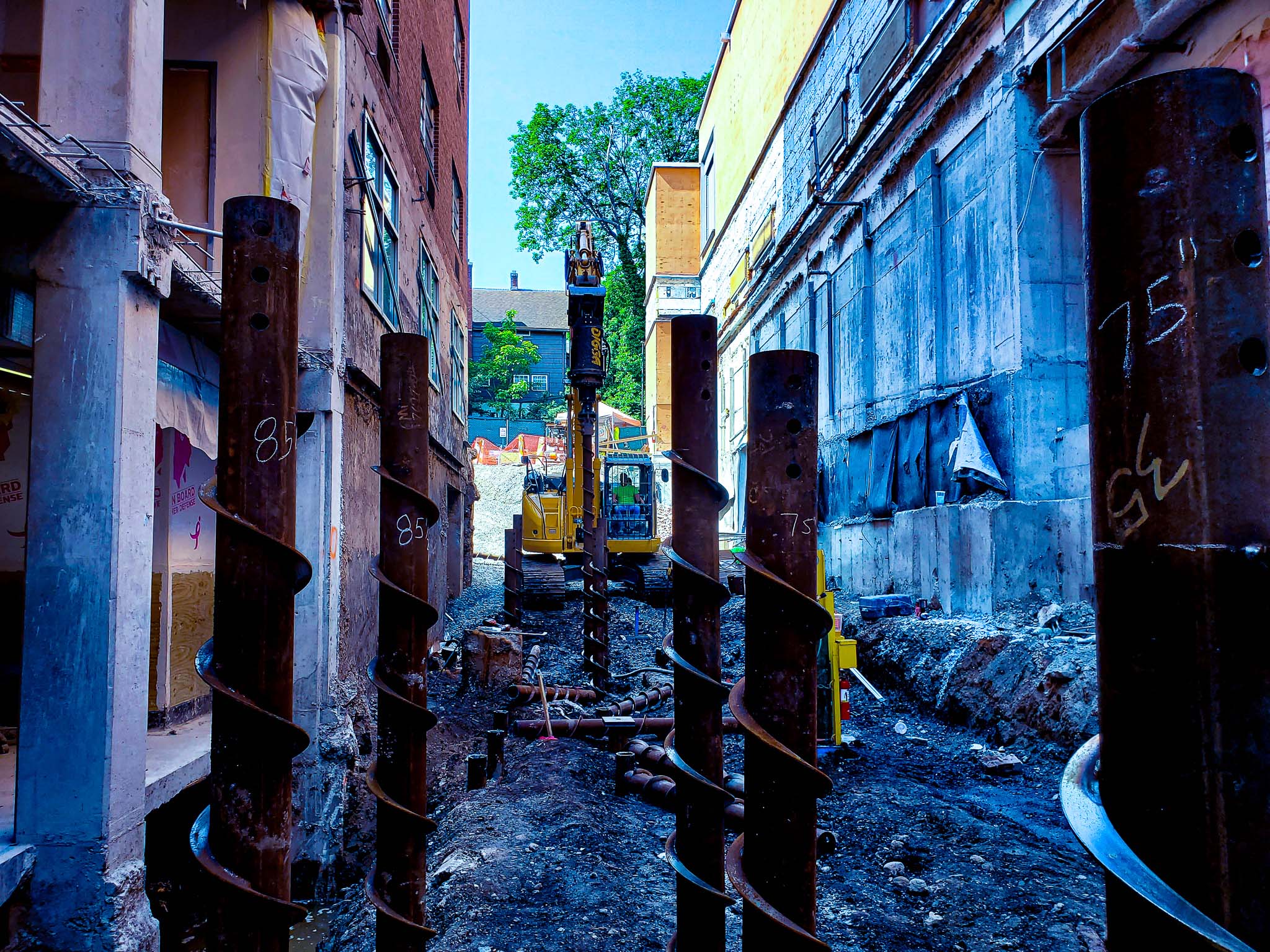
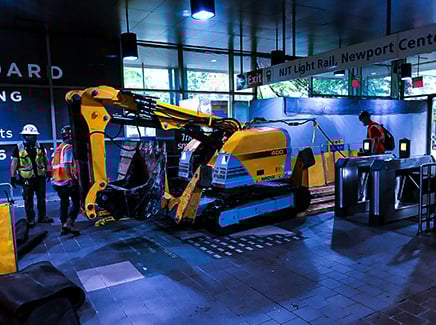
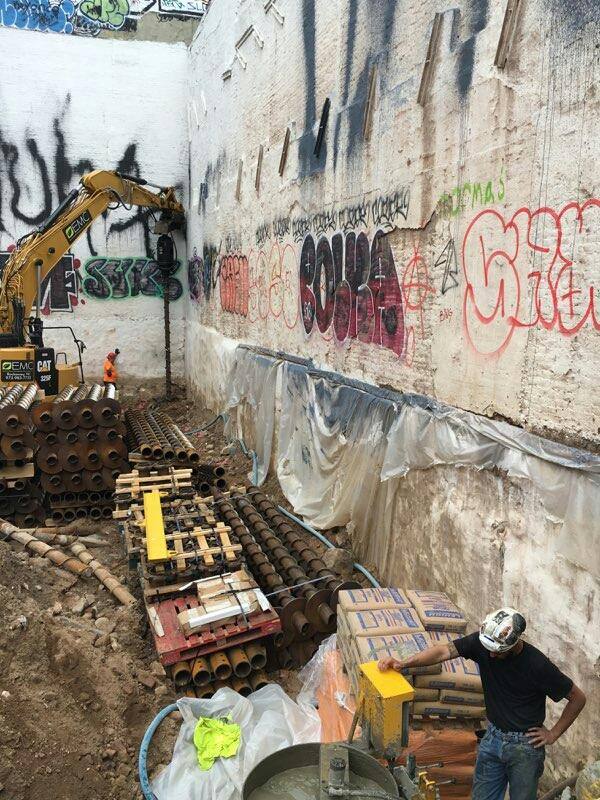
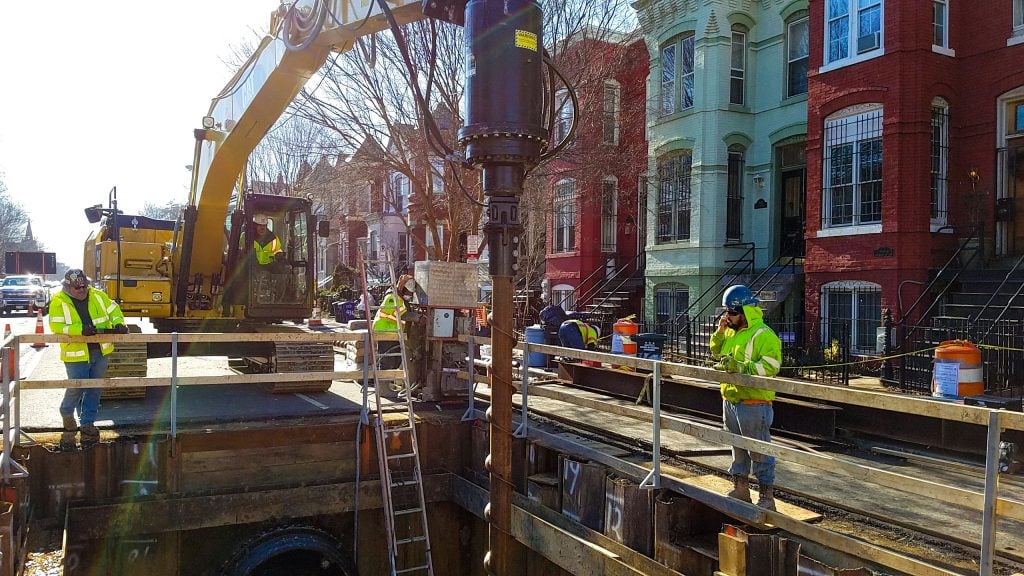
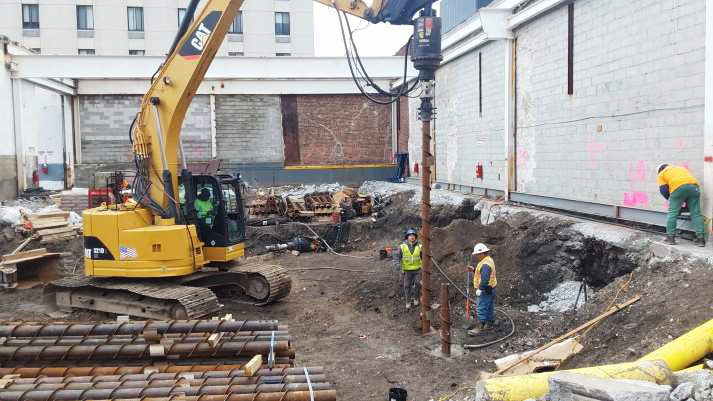
STELCOR piles were chosen as the foundation solution to reduce installation time and complexity. With no vibrations, water flushing, or large mast rigs required, the system minimized the risk of disrupting the adjacent residential buildings and elevated MTA structure. The mobility of the equipment and lack of spoils meant other trades could follow closely, even on this highly congested site.
DESIGN LOADS:
Compression: 60 tons
Tension: 10 tons
Lateral: 5 tons
PILE DETAILS:
Type: STELCOR 1200
Nominal Grout Diameter: 12 inches
Steel Core: 5-1/2" O.D. 0.361" W.T.
Quantity: 282 piles
Length: 55 feet
SOIL PROFILE:
The subsurface profile consisted of approximately 8 to 10 feet of uncontrolled fill and soft soils. Beneath this lies a 20-foot layer of over-consolidated clay. Medium to dense silty sand was encountered 35 to 40 feet below grade and generally extended to 85-ft depth.
--jpg.jpeg?width=720&height=471&name=86%20DELANCEY%20web(16)--jpg.jpeg)